
Buying a Home in the Denver Metro Area? Mold and Asbestos Inspections Explained
Buying a home in the Denver Metro Area—whether it’s Denver, Aurora, Lakewood, Arvada, Centennial, or anywhere in between—is exciting. You tour the house, picture your furniture, and start mentally planning your first dinner party before the ink is dry.
Somewhere between the offer and closing, reality sets in. And that’s when inspections matter.
Most buyers assume a standard home inspection tells them everything they need to know. In reality, two major concerns often fall outside that scope: mold and asbestos. They’re not always visible, they’re rarely straightforward, and they tend to surface at the worst possible time—unless you plan ahead.

A Real Buyer Story: When “Something Felt Off”
In the summer of 2025, we worked with a buyer under contract on a home in the Denver Metro Area that looked great on paper. The standard inspection didn’t raise major red flags, but the buyer couldn’t shake the feeling that something wasn’t right in the sunroom.
They trusted that instinct and requested a mold inspection.
After completing an air quality test, Elevation Environmental Services found extremely elevated levels of Aspergillus, a mold commonly associated with water damage. Further investigation revealed the source: the sunroom had been used to house a hot tub.
All that humidity, splashing, condensation, and trapped moisture had been soaking into the wood structure over time. From the outside, the room looked like a cozy bonus space. Behind the scenes, it had become a high-risk moisture environment.
Without mold testing, this would likely have been discovered after closing—when remediation cost would have been on the buyer, not the seller.

What Does a Standard Home Inspection Miss?
Home inspectors do important work, but their scope is limited. Most inspections are visual-only and non-invasive. No lab testing. No air sampling. No material analysis. But if something is visible, the home inspectors should recommend additional testing.
That means mold behind walls or asbestos in flooring, insulation, or textured ceilings—common in older homes across Denver, Lakewood, and Arvada—can easily go undetected unless additional inspections are requested.
This isn’t a failure of the inspection process. It’s just how it’s designed.
Fun Fact: Environmental testing can provide negotiation leverage without killing deals.
Do I Need Mold or Asbestos Testing When Buying a Home?
No, mold and asbestos testing are not legally required when buying a home—but
they are often recommended because both fall outside the scope of a standard home inspection.
Mold inspections are valuable for any buyer, but they’re especially important if you’ve had previous mold exposure or health concerns.
Homes in Denver, Aurora, and Centennial often deal with:
Past roof leaks
Basement moisture
Crawlspace humidity
Poorly ventilated bathroom, attics or sunrooms
Mold isn’t always visible. No smell doesn’t mean no mold. No staining doesn’t mean no moisture history.
If you want to understand the different types of mold testing—air samples versus surface samples—we got you covered with our article Mold Testing Explained: Air Samples, Swabs, and ERMI in Denver.
Where Does Mold in Homes Usually Come From?

Mold in homes typically develops when moisture from leaks, condensation, or humidity is not properly dried or ventilated.
Mold needs three things:
Moisture
Organic material (wood, drywall, carpet)
Time
Even small leaks, condensation, or humidity issues—especially common during Colorado’s seasonal swings—can create conditions for mold growth if not properly dried.
Not all mold is toxic—but all mold indicates a moisture problem. So what kind of mold is common here in Colorado? Our post Mold Spores in Colorado: The Gross, the Nuisance, and the Truly Toxic breaks down the difference between types of mold and where it comes from.
Where Is Asbestos Commonly Found in Older Homes?
In older homes, asbestos is most commonly found in flooring, adhesives, textured ceilings, insulation, and certain building materials used before the 1980s.
Flooring and mastic
Popcorn ceilings
Pipe insulation
Duct wrap
Fun Fact: Testing for asbestos doesn’t obligate a homeowner to remove it. The purpose of testing is to inform decisions—especially around renovations—not to trigger automatic remediation.
Is Asbestos a Deal Breaker When Buying a House?
No, finding asbestos in a home does not automatically make it unsafe or mean the deal is dead.
Here’s what buyers should know when purchasing a home in the Denver Metro Area:
Asbestos does not need to be removed just because it exists. Under CDPHE Regulation 8, the homeowner gets to decide whether asbestos-containing materials are removed.
Removal may be required if the material is damaged and presents a safety risk.
Finding asbestos does not automatically kill the deal. If you’re not planning to disturb the material, moving forward may be completely reasonable.
Renovation plans change the math. If you’re planning major renovations, asbestos abatement may need to be factored into your budget. Depending on the scope and contractor, this can add $5,000–$10,000 or more.
If you want a deeper breakdown of what materials commonly contain asbestos in Colorado homes, this ties directly into our blog Asbestos in Colorado Homes: Where It’s Hiding and Why Testing Matters.
Can I Trust Seller Disclosures for Mold and Asbestos?

Sellers are legally required to disclose known leaks and prior asbestos testing—but that doesn’t mean everything makes it onto the disclosure form.
Mold
Some water losses don’t seem serious at the time.
Carpet and padding may not have been removed.
Flood cuts may not have been done.
Repairs are sometimes handled privately without insurance involvement.
Asbestos
CDPHE Regulation 8 requires testing when contractors, remediation companies, or flippers disturb more than 32 square feet of material.
Homeowners doing DIY work are not required to test, which can leave gaps in documentation.
Testing helps fill those gaps.
Fun Fact: Asbestos was originally added to building materials for fire resistance and durability—ironically, the same qualities that allowed it to last so long in older homes today.
When Should Mold and Asbestos Inspections Be Scheduled?
Mold and asbestos inspections should be scheduled during the inspection period or immediately after the standard home inspection to allow time for informed decisions.
Don’t wait until objections are due!
Mold and asbestos inspections should be scheduled during the inspection period or immediately after the standard home inspection. While some companies can offer same-day results, timing can still be affected by:
Inspector availability
Lab cutoff times (mold samples typically must reach the lab by 2 p.m.)
Waiting limits options. Planning creates leverage.
Should I Use a Mold Company That Also Does Remediation?
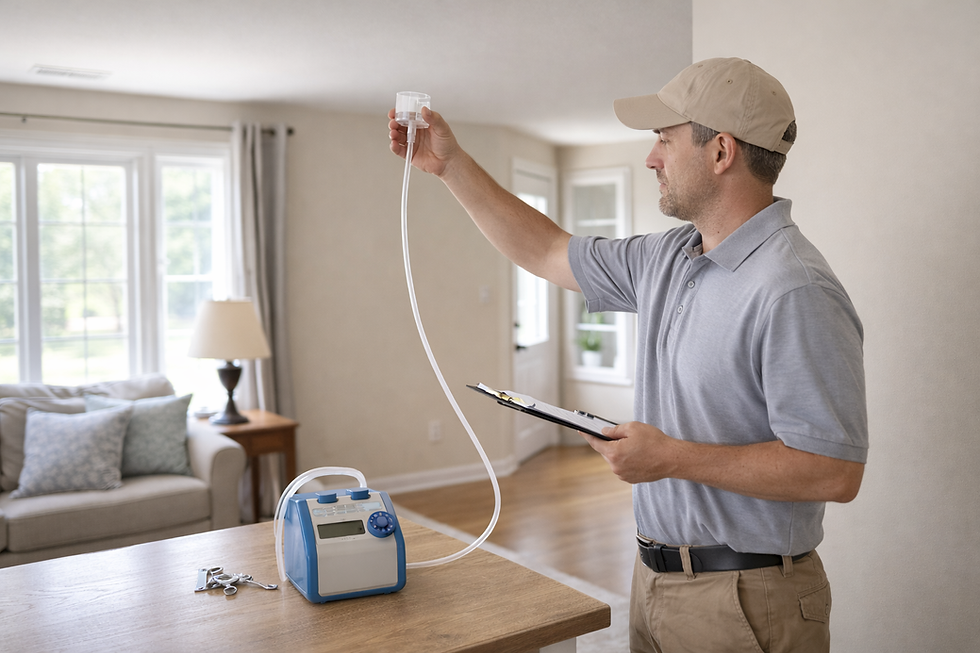
Using a company that both tests for mold and performs remediation can create a conflict of interest, which is why third-party testing is often recommended.
Avoid companies that both test and remediate mold. When the same company diagnosing the issue also sells the solution, the interpretation can lean expensive.
A third-party inspector has no skin in the game—just accurate data and realistic recommendations.
Can a Home Inspector Perform Mold Testing?
Some home inspectors can collect mold samples, but many do not interpret results or provide detailed recommendations.
Before agreeing to a home inspector collecting mold samples, ask:
How long have you been doing mold inspections?
Will you provide a full report with recommendations?
Are you certified in mold?
Fun Fact: Certification isn’t required in Colorado, but it often shows in the quality of the report.
VERY IMPORTANT: No home inspector should collect asbestos samples unless they have the proper certifications with CDPHE and EPA.
Realtors Who Understand Environmental Inspections
Realtors who understand how mold and asbestos inspections fit into the transaction timeline can help buyers avoid delays and surprises.
Below are just some of the realtors Elevation Environmental Services has worked with across the Denver Metro Area who understand how mold and asbestos inspections fit into real estate transactions. And honestly, you can't go wrong with any of these amazing people!
Melissa Craven
(303) 475-0209
Whitney Ayer
Austin Hurt
Bonnie Davis
So, Should You Test for Mold and Asbestos Before Buying a Home?
Short Answer: Yes! Testing for mold and asbestos before closing gives buyers clarity, peace of mind, options, and leverage when making one of the largest purchases of their lives.
Whether you’re buying in Denver, Aurora, Lakewood, Arvada, or Centennial, understanding what you’re purchasing before closing gives you options. And sometimes, listening to that quiet gut feeling—like our sunroom buyer did—can save you from a very loud problem later.
Doing a mold or asbestos inspection could save you money and stress. Let Elevation Environmental Services, LLC help you on your next big purchase.

Related Keywords
mold inspection before buying a home, asbestos inspection during a home purchase, buying a home in the Denver Metro Area, Denver mold inspection, asbestos testing Denver, mold testing before closing, asbestos found during home inspection, real estate mold inspection Colorado, asbestos inspection real estate transaction, Denver asbestos testing, Aurora mold inspection, Lakewood asbestos testing, Arvada mold inspection, Centennial asbestos testing, mold and asbestos inspections for homebuyers, environmental inspections during real estate transactions


Comments